


Related products for kam wah pastry

Looking for an Asian online supermarket?
Shop products from Chinese, Japanese, Korean, Vietnamese, Thai, Filipino and Indian grocery stores with delivery across major U.S. cities, including fresh produce, frozen meats and seafood, no extra fees, and EBT/SNAP accepted in most cities for eligible products.

Popular Asian ingredients this week
 $2.29$2.89Enoki Mushrooms 200 g
 SNAP
SNAP $3.99Laoganma Spicy Crispy Chili Oil 210 gSNAP
 $1.39Green Onion 1 bunch (min 2)SNAP
 $3.49Lee Kum Kee Premium Dark Soy SauceSNAP
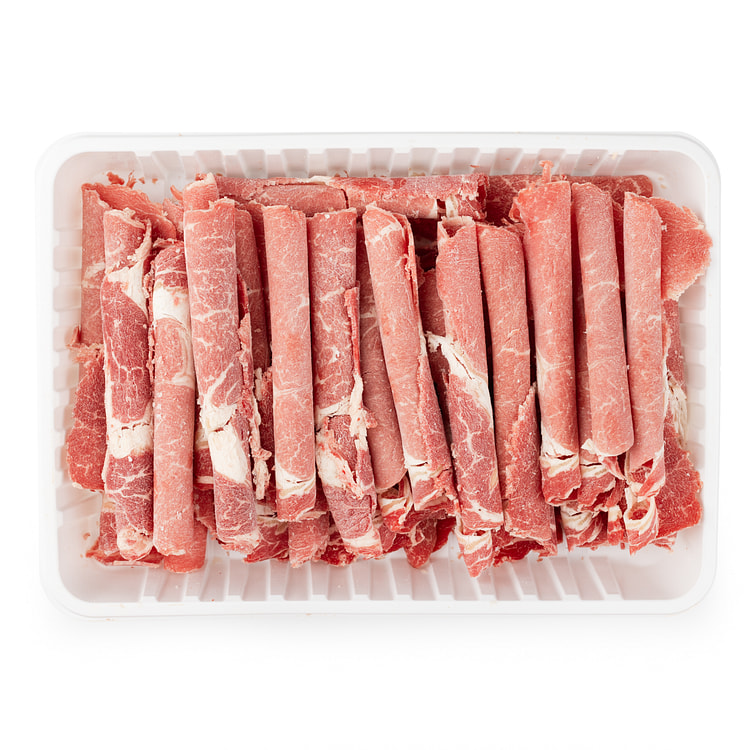 $14.99Beef Ribeye Sliced Roll, Frozen 1 lbSNAP
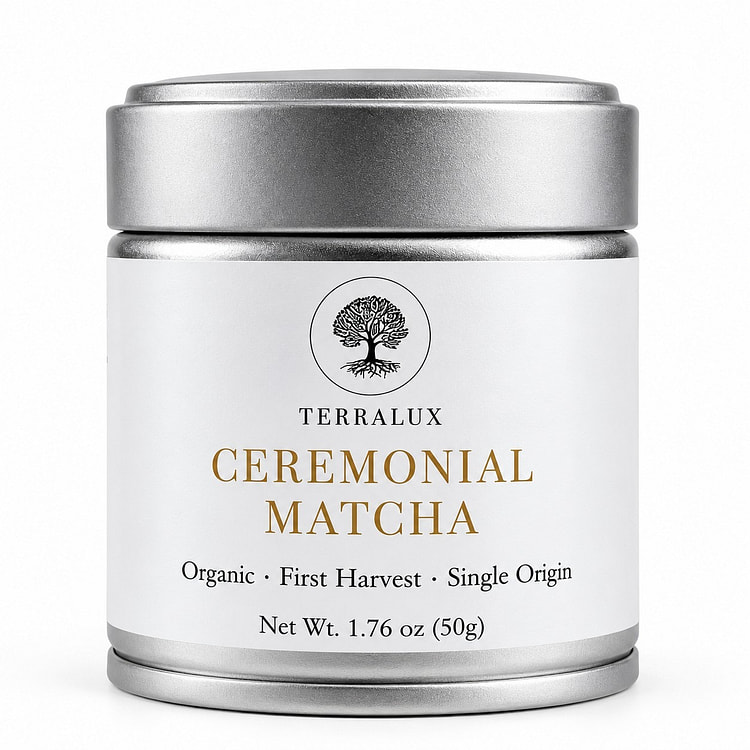 $13.29$13.99Ceremonial Grade Organic Matcha 50 g
 $2.89$3.59Shanghai Bok Choy 2 lbSNAP
 $4.88$5.99Shirakiku Sanukiya Udon, FrozenSNAP
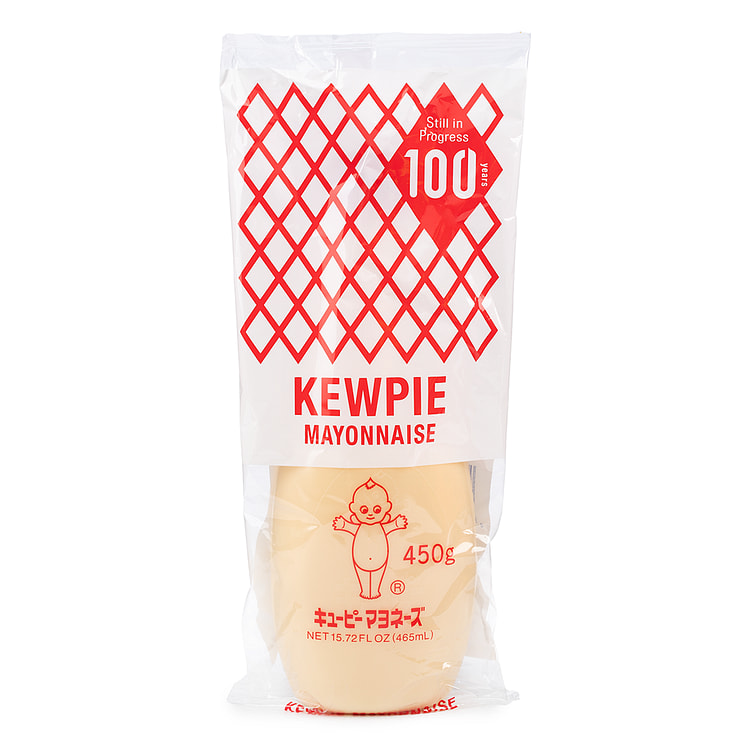 $5.49Kewpie Mayonnaise Tube 450 gSNAP
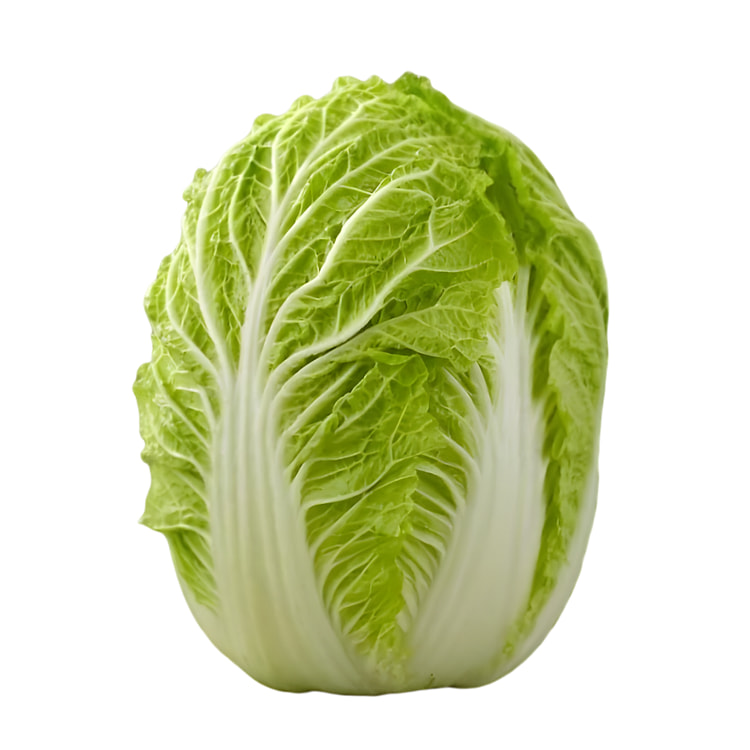 $4.49$4.99Napa Cabbage 1 countSNAP
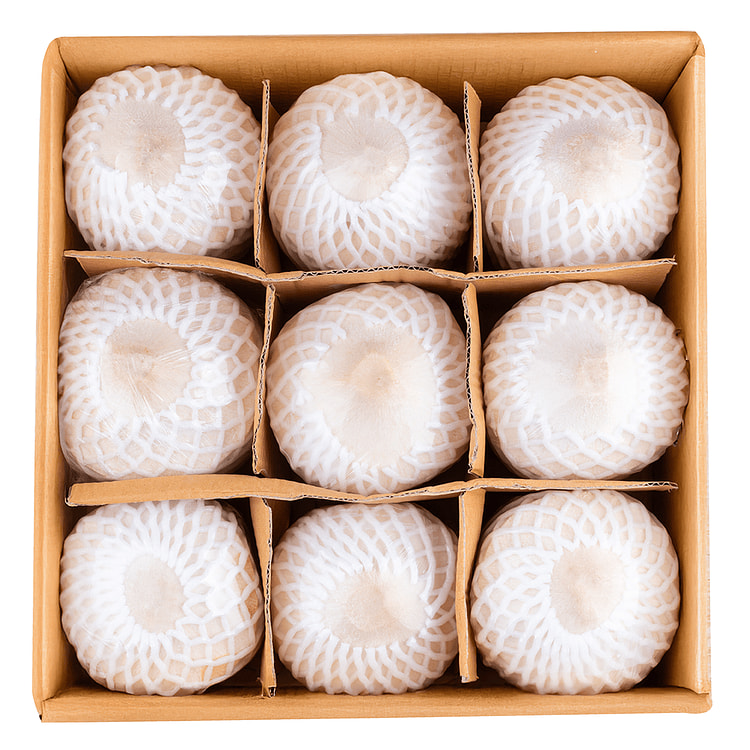 $17.99$21.99Thai Young Coconut 9ct 1 caseSNAP
 $16.99Nishiki Premium Medium Grain Rice 15 lbSNAP














 Customer since 2018
 Phoenix, AZCustomer since 2020Connecticut, CTCustomer since 2023Washington DCCustomer since 2020Los Angeles, CA
Frequently asked questions
What is Kam Wah pastry?
Kam Wah pastry is a traditional Chinese baked good known for its flaky layers and sweet or savory fillings.
Is Kam Wah pastry sweet or savory?
Kam Wah pastries come in both sweet and savory varieties, depending on the filling.
Can you freeze Kam Wah pastry?
Yes, you can freeze Kam Wah pastry. Wrap it tightly and store for up to two months.
How is Kam Wah pastry traditionally served?
It is often enjoyed as a snack with tea or served during festive occasions.
Is Kam Wah pastry gluten-free?
No, Kam Wah pastry is usually made with wheat flour and is not gluten-free.
What fillings are commonly used in Kam Wah pastry?
Common fillings include lotus seed paste, red bean paste, egg custard, and sometimes savory pork.
How many calories are in Kam Wah pastry?
Calories vary, but a standard Kam Wah pastry has about 200-300 calories per piece, depending on size and filling.
Can Kam Wah pastry be eaten cold?
Yes, Kam Wah pastry can be enjoyed both at room temperature and gently reheated.
What are the main ingredients in Kam Wah pastry?
Typical ingredients include flour, sugar, butter or lard, and egg wash, often with fillings like lotus seed paste or red bean.
How do I store Kam Wah pastry?
Store Kam Wah pastry in an airtight container at room temperature for up to three days or refrigerate to extend freshness.
Is Kam Wah pastry suitable for vegetarians?
Most Kam Wah pastries are suitable for vegetarians, but check for animal-based fillings or lard in the recipe.
Where can I buy Kam Wah pastry?
You can buy it at Weee! Asian Market, www.sayweee.com.
How do I reheat Kam Wah pastry?
Reheat in a preheated oven at 350°F (175°C) for 5-10 minutes for best texture.
Can Kam Wah pastry be made at home?
Yes, you can make Kam Wah pastry at home with a suitable recipe and basic baking ingredients.
Does Kam Wah pastry contain nuts?
Some versions may contain nuts, especially in fillings, so always check the ingredients.
What does Kam Wah mean?
Kam Wah is a Cantonese name that can mean 'Golden Prosperity,' often associated with luck and good fortune.

Asian Groceries
Get the App


Trending Topics
- Silken tofu
- Tofu (all varieties)
- Doenjang
- Bamboo shoots
- Tamari
- Pickled ginger
- Black bean sauce
- Fresh herbs
- Galangal
- Wood ear mushrooms
- Miso paste
- Panko breadcrumbs
- Bok choy
- Bonito flakes
- Lychee
- Yellow curry paste
- Tamarind paste
- Taro root
- Jackfruit
- Doubanjiang
- Chili crisp
- Red curry paste
- Wasabi paste
- Gochugaru
- Oyster sauce
- Soy sauce
- Bitter melon
- Holy basil
- Curry leaves
- Shrimp paste


© 2015 - 2026 Weee!, Inc.